
Soil & Resource Preservation
Building a repurposed shipping container home community based on simple permaculture techniques can significantly reduce the impact of climate change, promote food security, and preserve soil quality through several interconnected approaches.
Part 3 of this 3 part series, we discuss how regenerating soil and preserving resources reduces waste and co2.
SOIL & RESOURCE PRESERVATION
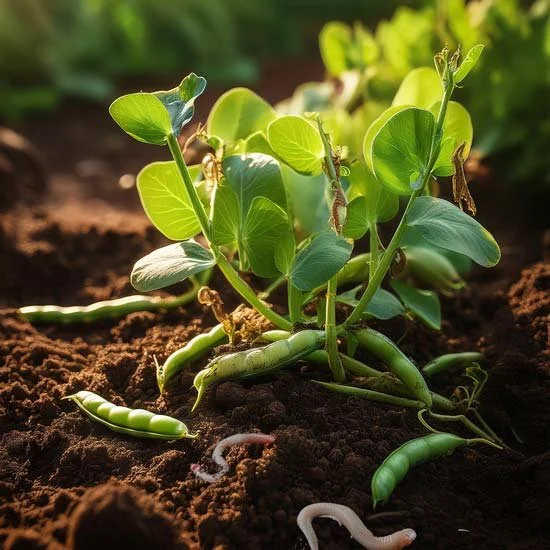
Mulching and Composting: Organic mulches and composting practices improve soil fertility, moisture retention, and microbial activity. These techniques help build healthy, resilient soil that can store more carbon, further mitigating climate change. A community of 10 homes could save 2.5 metric tons of CO2e annually by composting.
Holistic Land Management: Permaculture designs aim to mimic natural ecosystems, supporting a balance between plant, animal, and soil interactions. This minimizes soil degradation and enhances nutrient cycles, ensuring long-term productivity and resilience of the land.
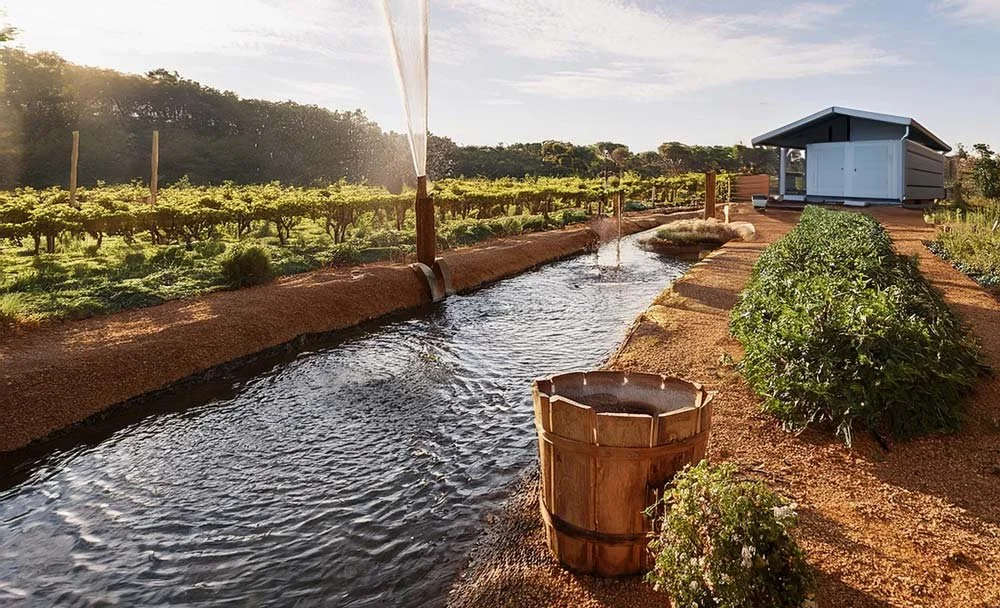
Water Efficiency: Reducing water use by 50% (through greywater systems and rainwater harvesting via contours and swales) saves energy for water collection and water treatment, reducing household water-related emissions by 0.1-0.5 metric tons of CO2 annually. For 10 homes, this results in an additional 1-5 metric tons of GHG saved annually.
If you are interested in building with a smaller footprint, contact us here.
